Ecommerce personalisation is exactly what the name implies: tailoring the shopping experience to each individual visitor. It covers recommendations, discounts, follow-up emails and more, all built on collecting and analysing what a customer actually does. You have experienced it yourself, the product you left in a basket reappearing in your social feed days later. That example also illustrates the tightrope: done openly, personalisation builds stronger customer connections; done covertly, it just feels creepy.
Why shops personalise
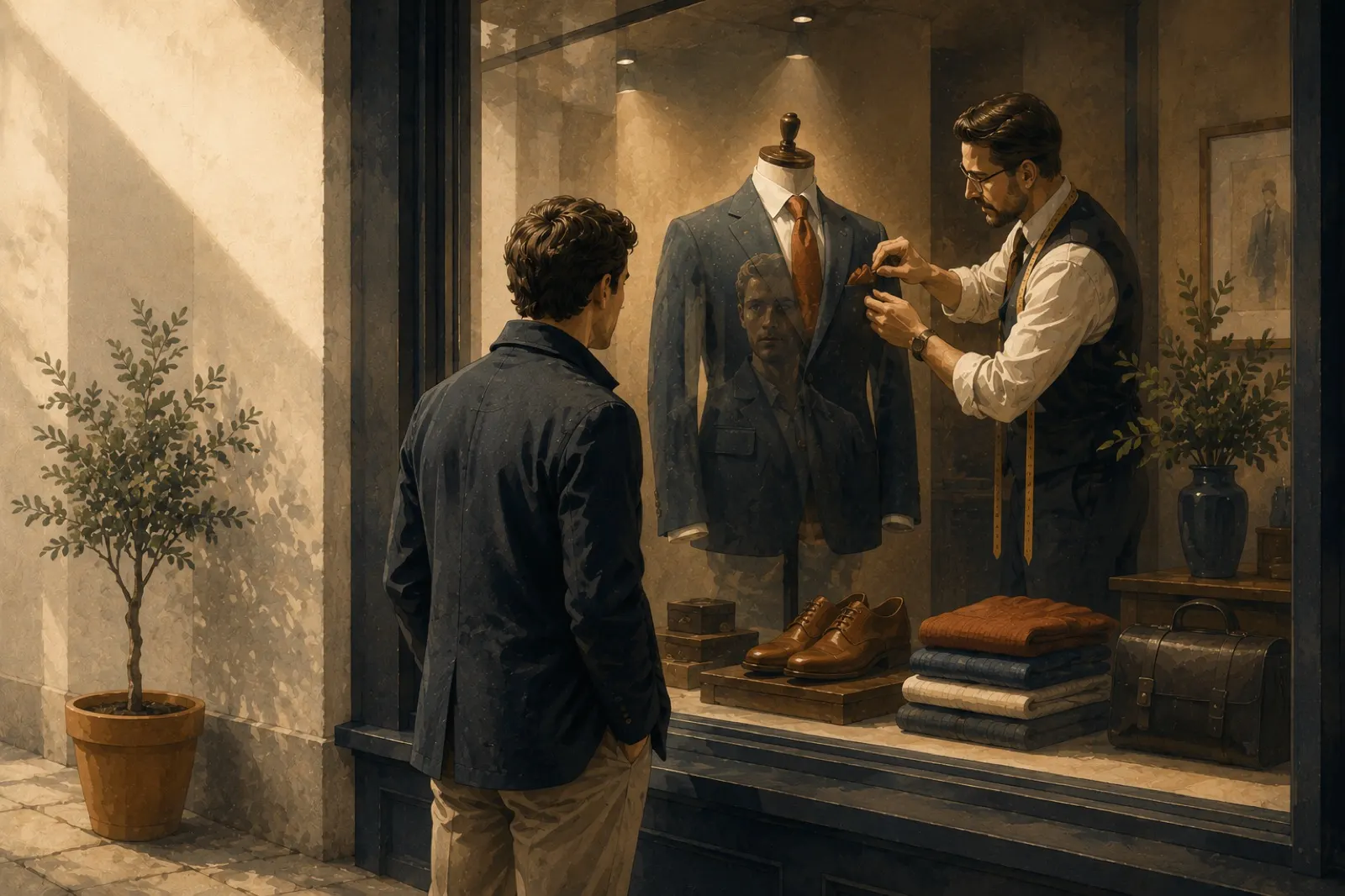
A physical shop has something an online store lacks: a good salesperson who brings a customer the items in their size, taste and price range. Personalisation is how ecommerce translates that experience to the screen, and it has been quietly proven since Amazon pioneered it in the late 1990s. “Related products”, “you may also like”, “more like these”: these features are near-universal because they work. Relevant content is simply a better experience than random content, and better experiences make return customers.
The rule: be transparent about it
Research is unusually clear here. Consumer studies from Harvard found that shoppers were more likely to click and buy when a recommendation was labelled honestly (“recommended based on your prior views”), and that purchase interest declines when people discover their personal information flowing in ways they dislike.
The practical rule follows directly: personalise in the open. Label recommendations with their logic, involve the customer as a participant, and prioritise their experience over the squeeze. Trust is the asset; the algorithm is just the tool.
How the data side works
Personalised marketing has two halves: capturing data and acting on it. Behavioural targeting watches what visitors do on your own site, the categories they head for, what they viewed, what they bought before. Demographics groups customers by broad traits, made more useful when refined into proper user personas. Machine learning turns all of it into action at a scale no human could manage, adjusting what each visitor sees in real time.
The techniques that work
- Personalised home pages. Present content shaped by past browsing, purchase trends and location, the streaming-service model applied to retail. The homepage becomes each customer’s own starting point rather than a generic shopfront.
- Recently viewed. Buyers get distracted, or hesitate over price. A visible route back to what they were considering promotes continuity, and often completes the sale on the second visit.
- Geo-targeting. Location adjusts currency, shipping options and what is shown at all. Done right it is invisible; done wrong it is a catalogue full of things you cannot have.
- Cross-channel personalisation. Email, ads and browsing history working together, the basket-reminder email with its “complete your purchase” button that lands you back exactly where you left off.
- Pop-ups that add value. An interruption is forgiven when it carries a welcome, a first-order discount for instance. The test is always whether the visitor gains something.
- Behavioural offers. Someone browsed bicycle locks and left? Show similar items, or the wish-list product now on sale. Shoppers respond warmly to being shown something they already wanted at a better price.
- Augmented reality. Trying on glasses from your sofa, or configuring your own trainers panel by panel: the customer personalises the product themselves, which is the most engaging version of all.
Say what you are doing, and why
Every effective example above shares one habit: descriptive calls to action. “Based on your browsing history”, “because you’re interested in…”. The wording opens the logic to the customer, and customers respond far better to personalisation when they understand the purpose it serves.
Personalisation belongs in the design of a shop from the start, not bolted on afterwards, it shapes the homepage, the product pages and the checkout alike. If you are planning a store, our ecommerce design service builds this thinking in from day one, and our complete ecommerce guide covers the wider picture.