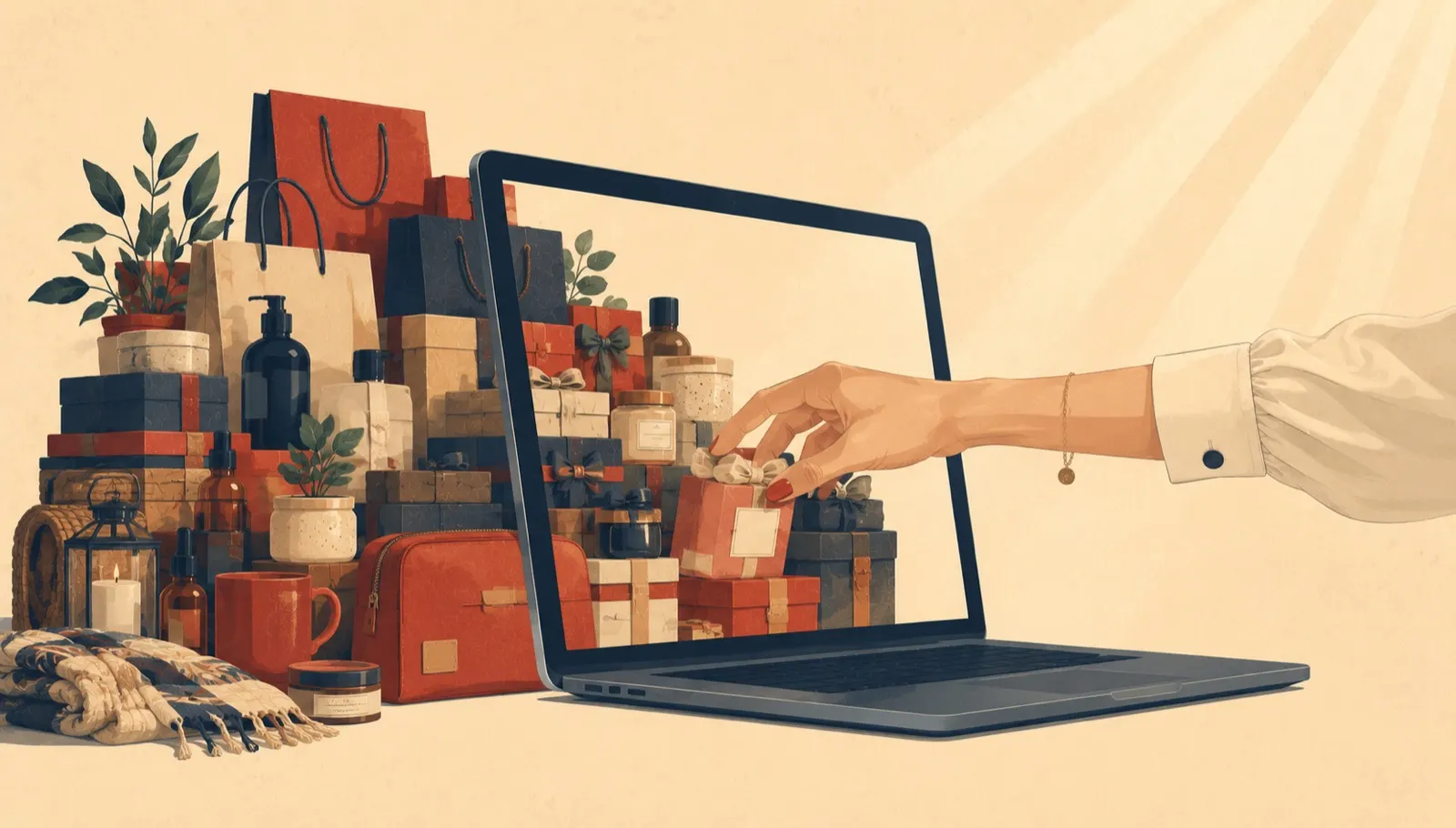
Ecommerce simply means business conducted over the internet: buying and selling goods or services, and the movement of data and money that completes those transactions. Behind that plain definition sits a fast-moving industry with its own models, features and habits, and understanding the basics well is half the work of launching a shop that succeeds. This guide covers the types of ecommerce, what it genuinely offers over bricks and mortar, the features that separate thriving shops from struggling ones, and where it is all heading.
The models: who sells to whom
The acronyms describe nothing more complicated than who the buyer and seller are.
- B2C (business to consumer) is the familiar one: an online store selling food, clothing or subscriptions directly to the public.
- B2B (business to business) sells products or services to other companies, consulting, software, IT hardware, usually the things that help a business operate or scale.
- D2C (direct to consumer) cuts out the middleman: a producer or designer selling straight to its customers with no third-party marketplace or wholesaler in between.
Beyond the models sit the avenues. Retail is the obvious one, and its economics explain the industry’s growth: far lower overheads than a physical store, and a meaningful share of global retail sales that grows every year. Digital products, courses, software, media, need no stock, warehouse or rent at all. Services can be sold online even when delivered in person, which is how freelancers and agencies reach audiences their location would never allow. Wholesale connects bulk sellers to retailers, and drop-shipping lets a retailer sell without holding stock, ordering from the supplier only after the customer has paid.
The honest benefits
Reach. A physical shop serves its neighbourhood; an online shop trades internationally from day one. For an island business, that is transformative: your market stops being measured in miles.
Convenience. A website is open around the clock, against ten or twelve hours for a physical store, and it takes far less to launch. The staffing does not disappear, it changes shape: order processing, digital marketing and customer relations rather than standing behind a till.
Customer experience. Customer accounts and order history let you understand buying habits, recommend the right products and market new stock to the people most likely to want it, personalisation that shoppers generally find less intrusive than being upsold in person. We wrote a full guide to personalisation in ecommerce.
Lower costs. Overheads are absorbed more easily as the business grows, which is precisely why so many established retailers now favour their online branches.
The honest drawback: without the chance to handle goods before buying, return rates run higher online. The remedy is confidence, accurate product pages, high-quality photography and visible customer reviews that vouch for you.
The features that make it work
- A content management system with a blog. Editorial content draws search traffic towards your shop, and some stores convert as much as five per cent of blog readers into buyers. Write regularly about the problems your products solve.
- Search engine optimisation. Key phrases, sensible meta tags, alt text on images, internal links and reputable external links are how new customers find you without paid advertising.
- A fast, secure checkout. Google Pay, PayPal and other instant options alongside a conventional card checkout: the easier it is to pay, the more likely the customer returns. Keep on the right side of data protection and consumer law wherever you trade.
- Email integration. A newsletter keeps you in customers’ minds and replaces some of the in-person contact online shopping loses. Send enough to be remembered and not enough to be marked as spam.
- A well-designed product page. The page where browsing becomes buying deserves the most care of all; we cover it in detail in our product page design guide.
Where it is heading
The direction of travel is omni-channel: selling through several platforms at once, the website, social media with shopping features, marketplaces, and where it exists, the physical store offering click-and-collect. The easier a customer can find you and start shopping, wherever they happen to be, the more likely they are to remember the experience and come back. Ecommerce is not a passing trend to bolt on later; for a growing share of retail it is simply how business is done.
Getting yours built
A shop that is a pleasure to buy from takes design, engineering and commerce working together: the storefront, the checkout, the integrations and the performance underneath. That is exactly what our ecommerce website design service delivers, on WooCommerce, Shopify or a custom build, sized to your business rather than a template.